

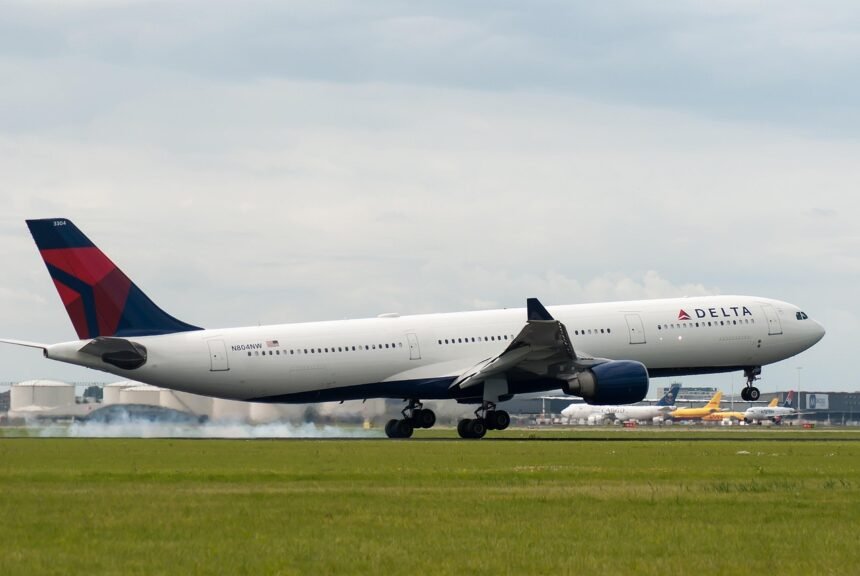
Air travel often runs on precise schedules, but unexpected changes sometimes occur, leading to reroutes or emergency diversions. One such event that drew attention was the Delta Flight DL275 Japan Diversion LAX, which raised many questions for travelers and aviation enthusiasts.
This article provides an in-depth look at why diversions like this happen, how airlines manage such situations, and what passengers can expect when their journey doesn’t go exactly as planned.
Understanding Delta Flight DL275 Japan Diversion LAX
Airline diversions are not uncommon, but when a long-haul flight is rerouted to a major hub like Los Angeles International Airport, it sparks interest. The Delta Flight DL275 Japan Diversion LAX serves as a case study in modern aviation operations, risk management, and passenger care.
Several factors can cause a flight diversion, including:
- Medical emergencies
- Weather disruptions
- Technical issues with the aircraft
- Air traffic control instructions
- Security concerns
When a flight between Asia and the United States diverts, the impact on passengers can be significant, particularly due to the long distances and complex logistics involved.
Why the Delta Flight DL275 Japan Diversion LAX Happened
Although the official reasons may vary in reports, diversions like this usually occur for one of the following critical reasons:
- Medical Situations
- A passenger or crew member requiring urgent care can force a flight to reroute to the nearest suitable airport.
- Los Angeles International Airport has world-class medical support, making it a safe landing point.
- A passenger or crew member requiring urgent care can force a flight to reroute to the nearest suitable airport.
- Technical Issues
- Aircraft are equipped with advanced systems, but any anomaly may require an unscheduled landing for safety inspections.
- Aircraft are equipped with advanced systems, but any anomaly may require an unscheduled landing for safety inspections.
- Operational Challenges
- Long-haul flights may face issues like unexpected fuel management or airspace restrictions.
- Long-haul flights may face issues like unexpected fuel management or airspace restrictions.
By diverting, airlines prioritize the safety and well-being of everyone on board.
Passenger Impact of Delta Flight DL275 Japan Diversion LAX
For passengers, diversions can cause stress and inconvenience. However, airlines like Delta implement protocols to reduce the impact:
- Rebooking Options: Travelers are usually re-accommodated on the next available flights.
- Ground Support: Meals, accommodations, or vouchers may be offered depending on the delay.
- Communication: Updates through apps, text messages, and announcements help passengers stay informed.
Despite delays, most travelers recognize that safety takes priority over punctuality.
Operational Challenges in Delta Flight DL275 Japan Diversion LAX
The rerouting of an intercontinental flight is no simple task. It involves:
- Coordination with Air Traffic Control – Ensuring smooth entry into U.S. airspace.
- Ground Crew Preparation – Readying gates, maintenance staff, and baggage handlers at LAX.
- Customs and Immigration – Processing international travelers unexpectedly arriving at Los Angeles instead of their intended destination.
These challenges highlight the complexity of airline operations and the teamwork required across multiple departments.
Lessons from Delta Flight DL275 Japan Diversion LAX
The event provides several lessons for both airlines and passengers:
For Airlines
- Robust emergency planning is essential.
- Communication with passengers builds trust during unexpected events.
- Choosing diversion airports with strong infrastructure minimizes disruption.
For Passengers
- Travel insurance can be valuable during major reroutes.
- Flexibility and patience help in navigating sudden changes.
- Staying updated through airline apps provides real-time assistance.
Comparing Delta Flight DL275 Japan Diversion LAX with Other Cases
This event is not unique. Aviation history has several notable diversions:
- Medical Diversions on Transpacific Routes: Often necessary due to the long distances over oceans with limited emergency landing options.
- Weather Diversions: For example, strong typhoons near Japan can push flights toward the U.S. West Coast earlier than planned.
- Technical Diversions: Airlines frequently reroute to hubs like Seattle, Anchorage, or Los Angeles for quick maintenance.
By comparing different cases, it becomes clear that LAX is a strategic and reliable diversion airport.
Delta Flight DL275 Japan Diversion LAX and Safety Protocols
Safety remains the cornerstone of aviation. Diversions highlight how airlines apply global protocols:
- Crew Training: Pilots and cabin crew undergo extensive training to manage diversions.
- Aircraft Checks: Safety inspections occur immediately after landing.
- Passenger Care Standards: International regulations require airlines to support travelers after diversions.
This shows how modern aviation places human life and operational security above all else.
How Airports Manage Delta Flight DL275 Japan Diversion LAX
Large airports like Los Angeles International are prepared for unexpected arrivals:
- Emergency Medical Response Teams
- Baggage Re-routing Systems
- Immigration and Customs Flexibility
- Accommodation Arrangements with Partner Hotels
This preparedness reduces passenger inconvenience while ensuring flights are handled smoothly.
Communication During Delta Flight DL275 Japan Diversion LAX
One of the most important aspects of a diversion is keeping travelers informed. Delta typically uses:
- Push notifications in the mobile app
- Text message alerts
- Email updates
- Onboard announcements
Transparent communication helps reduce stress and ensures travelers know their rebooking or compensation options.
The Bigger Picture: What Delta Flight DL275 Japan Diversion LAX Teaches Us
This diversion reminds passengers and airlines alike that air travel is dynamic. Despite advanced technology, human health, weather, and mechanical factors can always shift plans.
The professionalism shown during such events demonstrates why modern aviation remains one of the safest industries in the world.
FAQs About Delta Flight DL275 Japan Diversion LAX
1. What caused Delta Flight DL275 Japan Diversion LAX?
It was rerouted due to operational or safety-related reasons, which may include medical, technical, or weather issues.
2. How are passengers supported during Delta Flight DL275 Japan Diversion LAX?
Travelers typically receive rebooking assistance, updates, and sometimes accommodations or meal vouchers.
3. Does Delta Flight DL275 Japan Diversion LAX affect connecting flights?
Yes, connecting flights may be impacted, but airlines usually rebook passengers on the next available routes.
4. How common are diversions like Delta Flight DL275 Japan Diversion LAX?
While not everyday occurrences, diversions do happen regularly worldwide for safety reasons.
5. Can passengers claim compensation for Delta Flight DL275 Japan Diversion LAX?
Compensation depends on regional aviation laws and the cause of the diversion, but airlines prioritize safety over punctuality.
6. Was Delta Flight DL275 Japan Diversion LAX dangerous?
No, diversions are precautionary measures that actually enhance passenger safety.
7. What can travelers learn from Delta Flight DL275 Japan Diversion LAX?
They learn the importance of flexibility, travel insurance, and trust in airline safety protocols.
Conclusion
The Delta Flight DL275 Japan Diversion LAX highlights the unpredictable yet carefully managed nature of aviation. For passengers, it serves as a reminder that safety always comes first, even at the cost of delays. For airlines, it reinforces the need for preparedness, strong communication, and efficient ground support.
Next time you fly, remember that diversions, while inconvenient, are proof that airlines put passenger well-being above all else.
If you want to stay informed about airline updates, travel safety, and aviation insights, consider subscribing to trusted aviation news sources or following your airline’s official channels.