

As the final days of winter linger, landscapes often appear dormant, draped in muted tones of brown and gray. Yet, beneath the frost and along seemingly lifeless branches, a quiet revolution unfolds. A select group of resilient plants defies the cold, delivering vibrant blooms long before the spring equinox officially arrives. These flowers that bloom in late winter captivate gardeners, horticulturists, and nature enthusiasts, offering a visual promise of renewal and hope.
Publications like The New York Times have highlighted the fascination with these early bloomers, reflecting a widespread cultural appreciation for nature’s resilience. Understanding which plants flower in late winter not only enriches gardens but also supports early pollinators and signals the changing seasons. This comprehensive guide explores the botanical, ecological, and aesthetic aspects of late-winter bloomers, providing advice for cultivation, garden design, and the creation of year-round interest.
Understanding the Phenomenon of Late Winter Blooming
The Botanical Mechanisms Behind Early Blooms
Flowering in late winter is not coincidental—it is the result of remarkable evolutionary adaptations. Many early bloomers store energy in bulbs, corms, or rhizomes, which fuels rapid growth when temperatures become marginally favorable. Some species produce natural “antifreeze” proteins, preventing ice crystals from damaging delicate tissues. Others rely on vernalization, a process in which prolonged cold triggers the plant to flower at the optimal time.
These adaptations allow plants to capitalize on a unique ecological niche, blooming before competition intensifies in spring. The result is a breathtaking display of resilience and color when most other plants remain dormant.
Ecological Significance and Climate Considerations
Late-winter blooms play a critical role in local ecosystems. They provide nectar and pollen for early pollinators such as queen bumblebees emerging from hibernation, early solitary bees, and other insects. These blooms are crucial for the survival of pollinator populations, particularly in regions where late winter and early spring food sources are scarce.
Climate considerations are key for gardeners. Shifts in weather patterns are gradually altering bloom times, a phenomenon closely tracked by horticultural researchers and highlighted in sources like the NYT gardening columns. Selecting species adapted to your USDA Hardiness Zone ensures reliable blooms and helps maintain ecological balance.
Curated Selection of Flowers That Bloom in Late Winter
Below is a detailed overview of species that reliably provide late-winter color across diverse climates.
Bulbs and Cormous Plants
Snowdrops (Galanthus spp.)
Snowdrops are often the first harbinger of life in a dormant garden. Their delicate, nodding white flowers with green markings appear even through snow, creating a magical visual effect. Snowdrops naturalize readily, forming extensive drifts over the years. For maximum impact, plant them under deciduous trees or along walkways to create a serene, naturalized display.
Winter Aconite (Eranthis hyemalis)
Winter Aconite delivers a cheerful burst of yellow that brightens the late-winter landscape. Its cup-shaped flowers, surrounded by ruffled green bracts, form rosette-like clusters that open in sunlight and close on overcast days. These cormous plants naturalize easily and thrive in well-drained soil, making them excellent companions for snowdrops.
Crocus (Crocus spp.)
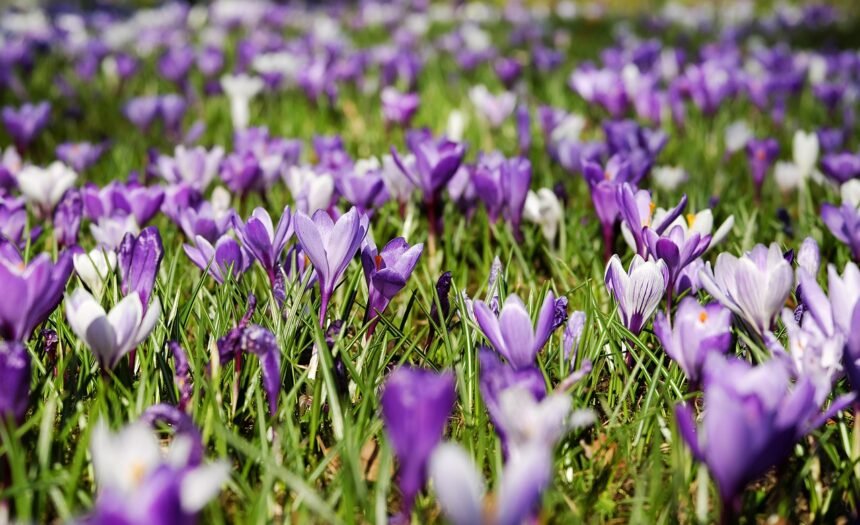
Crocus are iconic late-winter bloomers, offering colors ranging from purple and lavender to yellow and white. Species like Crocus tommasinianus (Tommie Crocus) and Crocus chrysanthus are particularly valuable for gardens seeking early color. They also provide essential pollen for bees. Crocus are often featured in discussions of flowers that bloom in late winter NYT, reflecting their popularity and horticultural significance.
Shrubs and Woody Plants
Witch Hazel (Hamamelis spp.)
Witch Hazel is celebrated for its spidery flowers in yellow, orange, or red that appear on bare branches, often accompanied by a sweet, spicy fragrance. Varieties like Hamamelis × intermedia ‘Arnold Promise’ offer weeks of showy blooms. Witch Hazel provides year-round architectural interest and pairs beautifully with early-blooming bulbs.
Winter Jasmine (Jasminum nudiflorum)
Winter Jasmine produces vibrant yellow blooms and arching green stems, thriving even in deep winter. It is versatile—suitable for trellises, retaining walls, or cascading over slopes. This hardy shrub tolerates diverse soil types and conditions, adding color and structure to the garden when most other plants are dormant.
Japanese Apricot (Prunus mume)
Japanese Apricot trees bloom in late winter, adorning branches with fragrant pink, red, or white flowers. A symbol of perseverance and renewal in East Asian culture, this ornamental tree is ideal as a focal point in winter gardens, offering both scent and visual appeal during the quiet months.
Perennials and Groundcovers
Hellebore (Helleborus spp.)
Hellebores, also known as Lenten or Christmas Roses, are elegant perennials prized for nodding blooms in shades ranging from white to deep plum. They are evergreen, providing year-round groundcover, and are resistant to pests and deer. These plants are frequently cited in flowers that bloom in late winter NYT gardening features for their reliability and beauty.
Cyclamen coum
Cyclamen coum thrives in dry, shady areas where other plants struggle. Its silver-patterned leaves add texture, while small flowers in white, pink, and magenta bloom from winter to early spring. It gently self-seeds, forming colorful carpets that complement snowdrops and other early bulbs.
Designing a Garden for Late Winter Interest
Strategic Placement and Design Principles
Late-winter blooms are most effective when positioned for visibility and impact. Plant bulbs near entryways, along walkways, or outside kitchen windows to maximize enjoyment. Place fragrant shrubs like Witch Hazel near seating areas, and use evergreen backdrops to make pale flowers pop. Layering by height—with bulbs in front, perennials mid-border, and shrubs at the back—creates a multi-dimensional display.
Companion Planting for Continuous Interest
Consider the full season when planning your garden. Pair early bulbs with summer-emerging perennials to mask fading foliage. Combine winter-blooming shrubs with later-flowering companions for a seamless transition. A well-designed garden maintains visual interest year-round, making late-winter bloomers part of a continuous tapestry of color.
Cultivation and Care for Late Winter Bloomers
Planting Guidelines and Soil Preparation
Plant bulbs in fall to establish roots before winter. Ensure well-drained soil and amend with compost for nutrients. Shrubs and perennials should be planted in spring or fall, with adequate water for root development.
Seasonal Maintenance and Pest Management
Allow foliage of bulbous plants to die back naturally, storing energy for next year. Apply a light, balanced fertilizer in early spring. Most late-winter bloomers resist pests; wildlife may occasionally target crocus or tulips, while snowdrops remain largely untouched.
Frequently Asked Questions
What are the best flowers for shady areas?
Snowdrops, Hellebores, and Cyclamen coum thrive under deciduous trees or partial shade.
How can I encourage more blooms on winter shrubs?
Plant in sunny locations, prune after flowering to maintain shape, and avoid heavy fertilization.
Can late-winter bloomers grow in containers?
Yes. Bulbs like crocus and snowdrops can be forced in pots, and smaller shrubs and Hellebore varieties perform well in containers.
Why are blooms sometimes damaged by frost?
Sudden severe frost can affect open flowers, but buds usually survive and continue to bloom.
Which early pollinators benefit most from these blooms?
Queen bumblebees, early solitary bees, and certain flies rely on nectar and pollen from late-winter flowers to build colonies and survive until spring.
Expert Tips for Maximizing Late-Winter Color
- Group plants by bloom time for continuous color.
- Use dark mulch or stones to enhance flower contrast.
- Incorporate scent: Witch hazel and Japanese Apricot offer fragrance that enriches the garden experience.
- Plan for pollinators: Include early nectar plants to support bees and beneficial insects.
Climate and Global Considerations
Late-winter flowering patterns vary by region. In mild climates, blooms may appear as early as January; in harsher zones, February or early March may be optimal. Observing local phenology and selecting hardy cultivars ensures success. Global trends indicate warming winters are shifting bloom times earlier, making climate-adapted species selection increasingly important.
Conclusion
The beauty of a garden need not pause with the arrival of cold weather. Flowers that bloom in late winter NYT gardening columns showcase—through snowdrops, hellebores, crocus, and witch hazel—demonstrate that life persists and beauty emerges even in the quietest months. These resilient plants provide ecological support, visual delight, and symbolic reassurance that renewal is imminent.
Whether cultivating a large country garden or a small urban balcony, incorporating late-winter bloomers extends seasonal enjoyment and celebrates nature’s endurance. By selecting the right species, planning for companion planting, and prioritizing ecological considerations, gardeners can create a dynamic, year-round landscape that awakens before spring arrives, offering both beauty and purpose in equal measure.